The 7 moments of CRM: why clients remember moments, not pipelines
The 7 moments of CRM are the seven points in a client relationship that decide whether a client feels remembered: Day One, The Handover, The Check-in, The Anniversary, The Referral, The Silence and The Pause. It's a framework I use at Obvi-us to design a CRM around how clients actually experience a business, rather than around the sales pipeline.
Most CRMs are built around one moment: the sale. Everything before it is a lead, and everything after it is an invoice. But clients don't experience you as a pipeline. They experience you in moments. Get these seven right and people stay, come back and bring others. Miss them and they quietly become Line 38: a name in the middle of your client list that nobody has spoken to in a year.
Key takeaways
- A pipeline tracks the sale. The 7 moments track the relationship, which is where repeat work and referrals come from.
- Six of the moments decide whether a client stays. The seventh, The Pause, decides whether they ever forgive you.
- Most moments don't break inside a team. They break in the handovers between people, where nobody owns what happens next.
- Each moment comes with one question worth asking about your own business. If the answer is "not sure", that's where to start.
- You don't need a particular CRM. The moments come first; the software is where you build them.
Why a sales pipeline isn't enough
A pipeline is good at one job: moving a lead to a yes. Once the deal is won, most CRMs have very little to say. The client drops out of the pipeline and into a list, and the list doesn't prompt anyone to do anything.
That's fine for a business that sells once. It isn't fine for a law firm, an accountancy practice, a music school or a photographer, where most future work comes from clients who've already bought. For those firms, the most valuable part of the relationship happens after the pipeline ends. The 7 moments are a way of designing for that part.
The 7 moments at a glance
1. Day One: first contact
The first time someone deals with you, they decide whether you're listening. Most systems capture a name, an email address and a value, and nothing about the person: why they came to you, who sent them, what they're worried about. Whatever isn't captured on day one is lost for the whole relationship, because nobody goes back for it.
Where it breaks: the enquiry form that still emails someone who left last year, or the first conversation that lives only in one person's notebook.
The question to ask: what do we capture at first contact, and who sees it next?
The question to ask: what do we capture at first contact, and who sees it next?
2. The Handover: getting started
The weeks after someone says yes are when trust is confirmed or quietly withdrawn. If onboarding lives in one person's head, every client gets a different experience, and nobody notices the one who's struggling.
Where it breaks: the client details captured during the sale that the person doing the work never sees.
The question to ask: who owns the client once they've said yes, and what happens in their first few weeks?
The question to ask: who owns the client once they've said yes, and what happens in their first few weeks?
3. The Check-in: the middle of the relationship
This is the long stretch where nothing is wrong and nobody calls. It's where most relationships fade, not because anything went wrong but because nothing happened at all. A CRM that only reacts to events can't see it, because there's no event.
Where it breaks: the accountant who sees a client once a year at tax time and never in between.
The question to ask: what prompts a conversation when nothing is wrong?
The question to ask: what prompts a conversation when nothing is wrong?
4. The Anniversary: the date that matters
Every client has a date that should never be a surprise: a renewal, an annual review, a new term, the anniversary of the wedding you photographed. When it's missed, the client feels it as "they've forgotten me", and that's usually the moment a competitor gets the call.
Where it breaks: the date is in the system, but no rule looks at it until it has already passed.
The question to ask: which dates matter to each client, and what happens before they arrive?
The question to ask: which dates matter to each client, and what happens before they arrive?
5. The Referral: when they're happiest
Your best clients would recommend you, if anyone asked at the right time. Most businesses ask at random, or never. The right moment is usually already in your records: just after a job is delivered, a problem is solved or a thank-you arrives. The system just doesn't know to look.
Where it breaks: a delighted client's email sits in one inbox and nothing follows it.
The question to ask: how do you know when a client is happy enough to ask?
The question to ask: how do you know when a client is happy enough to ask?
6. The Silence: when a good client goes quiet
The loyal client who stops booking rarely tells you why. Your system records what happened, but it can't tell you what hasn't. By the time someone notices, they've usually gone.
Where it breaks: nobody has decided how long is too long between contacts, so nothing ever flags it.
The question to ask: how long before quiet becomes a warning, and who gets told?
The question to ask: how long before quiet becomes a warning, and who gets told?
7. The Pause: when life changes
Bereavement, illness, separation, a crisis. The moment a client's life changes, every automated reminder, chaser and newsletter becomes a risk. It's the moment that gets screenshotted, and the one people never forget.
I recently saw a penalty letter sent to a family by a government agency. It was addressed to "the executor of" their son, who had died, and it opened "Dear Customer". The system knew. It had the fact on the envelope. It just didn't use it. Nobody chose to be cruel: a date passed, a rule fired and a template filled itself in. I wrote more about it in The system knew.
Where it breaks: the information exists, but nothing connects it to the automations.
The question to ask: what stops every automated message when a client's life changes?
The question to ask: what stops every automated message when a client's life changes?
Six of these moments decide whether a client stays. The seventh decides whether they ever forgive you.
How to find which moments you're missing
Start with your own client list. Export it, scroll to line 38 and try to answer five questions about whoever is there: who they are, what they last bought, when you were last in touch, what you know that isn't in the spreadsheet, and whether they're still hearing from you. If you struggle, the gaps usually point straight at the moments you're missing. The full exercise is on the Line 38 page.
How the mapping workshop covers all seven
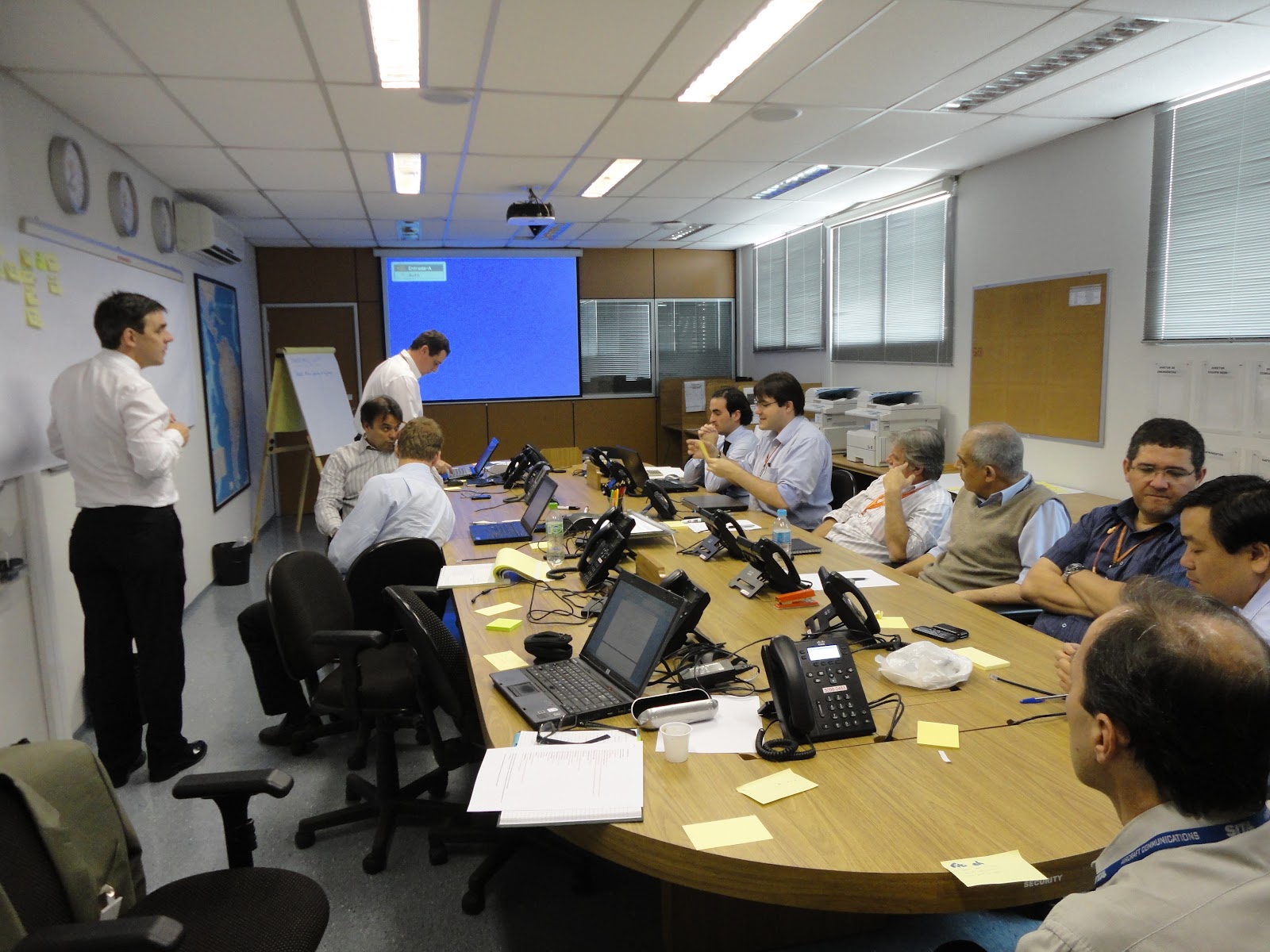
In my airline years I once mapped a process where an extra copy of a technical document went to a man called George in another city, every day, for years. George had no idea why. Nobody had ever asked to see one. Every department was doing its part well; the problem lived in the handover between them. Small businesses have their own Georges, and they hide in exactly these seven moments.
So in a mapping workshop, in person or online, we put your client's journey on a whiteboard and walk it through each moment from the client's side. At every handover I ask four questions: who receives this, what do they do with it, what happens if they don't, and should this be happening at all? You leave with a map of all seven moments and a prioritised plan for your CRM. See how the workshop works.
Frequently asked questions
What are the 7 moments of CRM?
Seven moments that decide whether a client feels remembered: Day One (first contact), The Handover (getting started), The Check-in (the middle of the relationship), The Anniversary (renewal or rebooking), The Referral (when they're happiest), The Silence (when a good client goes quiet) and The Pause (when life changes). A CRM should be built around these moments, not just around the sales process.
Who created the 7 moments of CRM?
Neil Gowans, founder of Obvi-us, a UK customer experience consultancy for service businesses with a long client list. It grew out of around 20 years of process workshops in the airline industry and client journey mapping with small firms since 2018.
How is this different from a sales pipeline?
A pipeline follows a lead to a sale. The 7 moments follow a client through the whole relationship, including the months and years after the job is done, which is where repeat work and referrals come from. Day One overlaps with the pipeline; the other six mostly happen after it ends.
Do I need a particular CRM to design for the 7 moments?
No. The moments come first and work with any CRM, or none. I'm a Flowlu Solutions Partner and build most systems in Flowlu, but the mapping is the same whichever software you use.
Which moment should I fix first?
The one your own client list shows is weakest. The Line 38 exercise is a quick way to find out. For firms whose clients come back once a year or less, it's often The Check-in or The Silence, because nothing prompts anyone to act.
Want to see where your own client list stands? Check if you qualify for a free Line 38 review.
31.10.2026